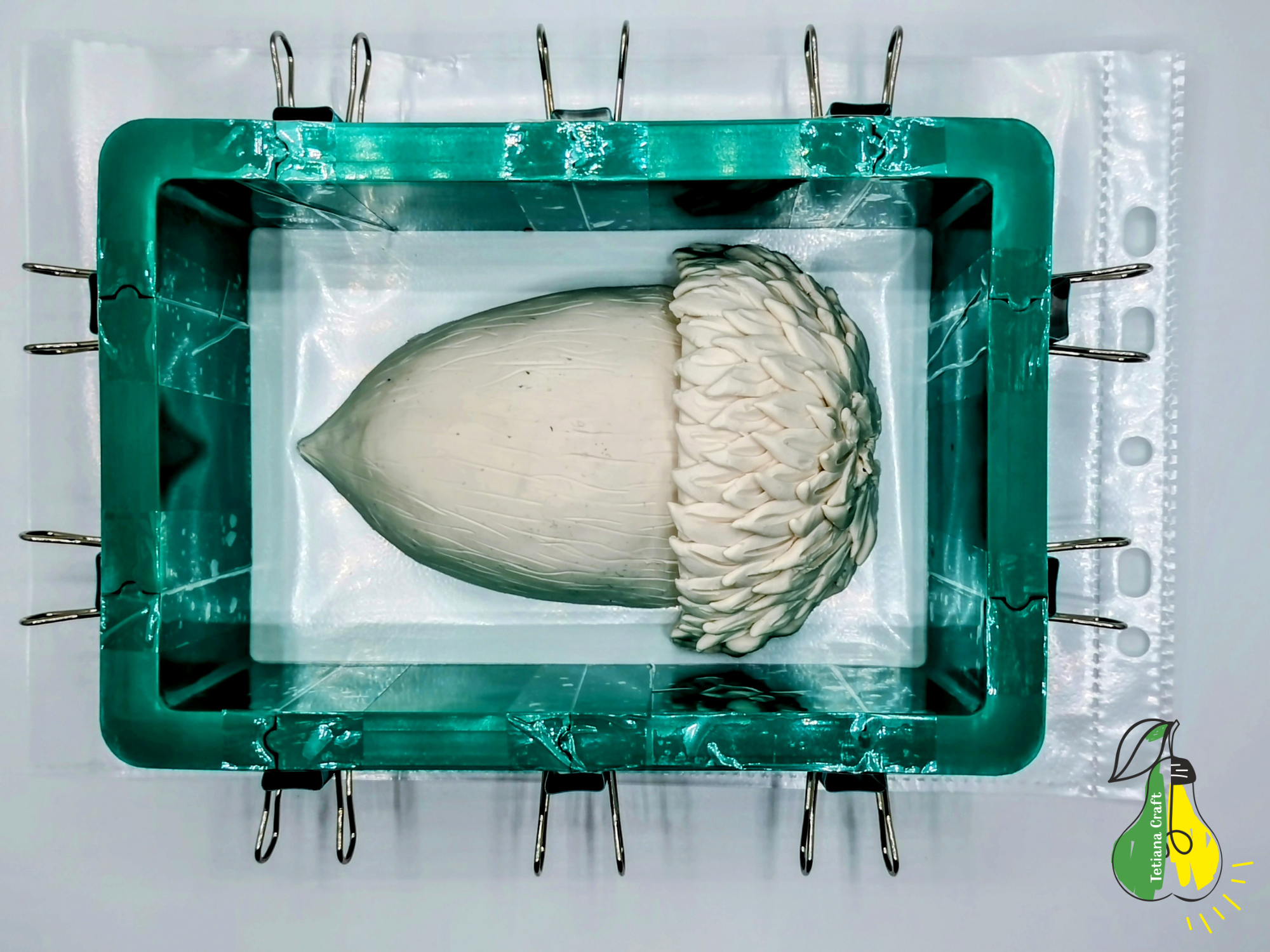


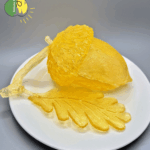
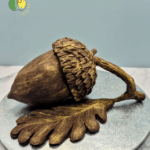
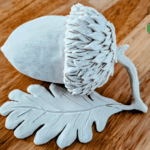

When I was making a silicone mold for an acorn twig, I ran into a problem: the two halves of the mold bonded permanently together. If you’re interested in reading about that, you can click here.
It was an unsuccessful experience. I know that special silicone mold release agents are generally used for two-part silicone and are formulated not to react with each other. Professional release sprays prevent sticking because they create an ultra-thin barrier layer. This layer is chemically incompatible with the silicone, stopping the liquid silicone from bonding with the already-cured surface. However, it seems I chose the wrong mold release agent. When preparing a silicone mold for chocolate, there are many restrictions. The food-safe silicone release I used simply didn’t work.
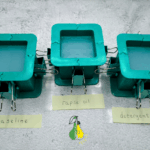
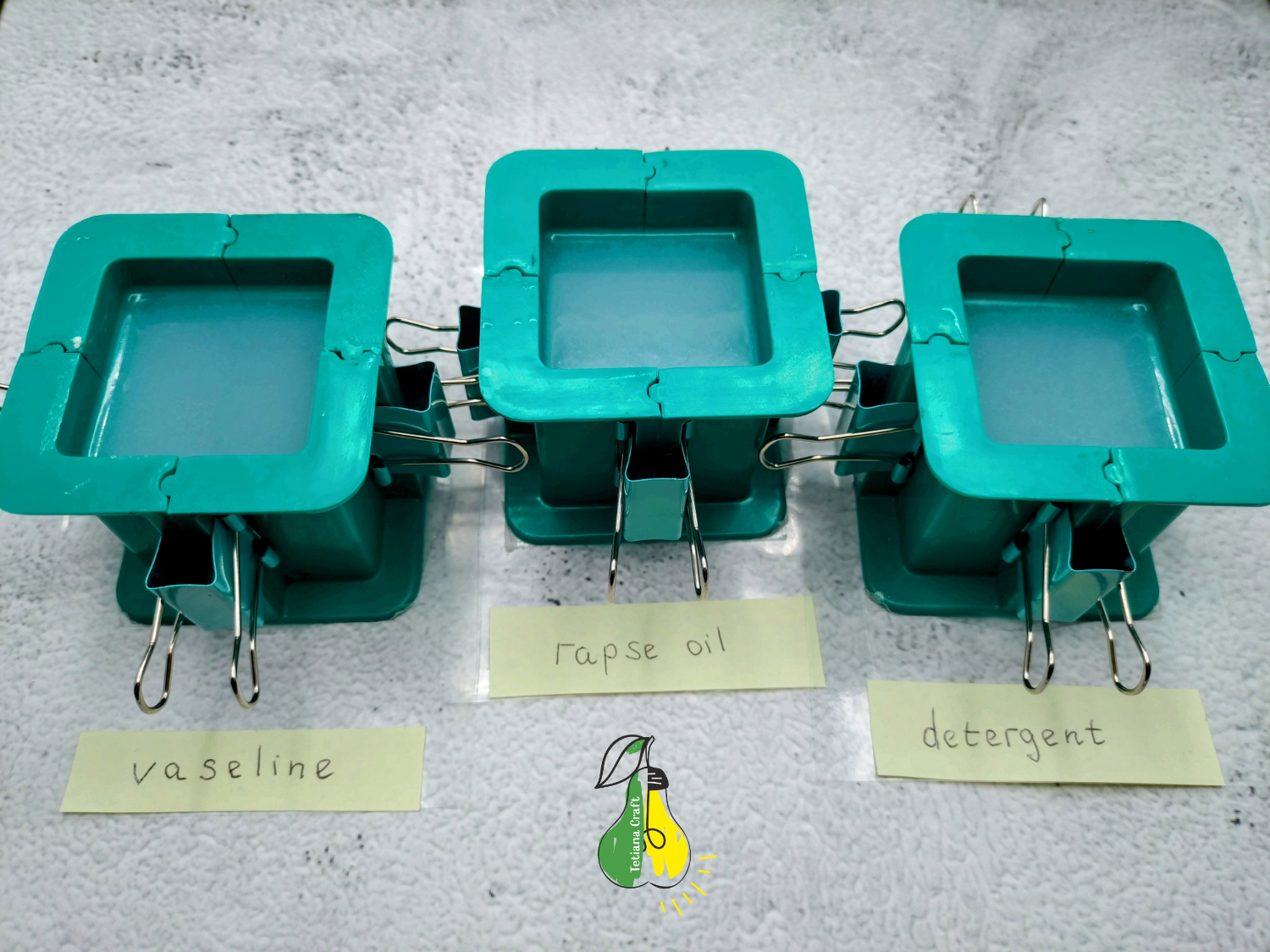
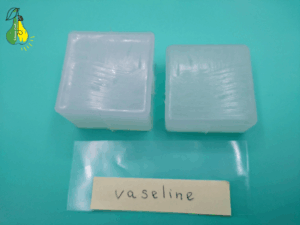
I will certainly look for a reliable food-grade silicone release agent in the future. But at the moment, I haven’t found a suitable product. Therefore, I decided to conduct an experiment using more readily available household items. I chose to use three common products as mold release agents: vaseline (without additives), rapeseed oil (also known as canola oil), and dish soap (detergent).
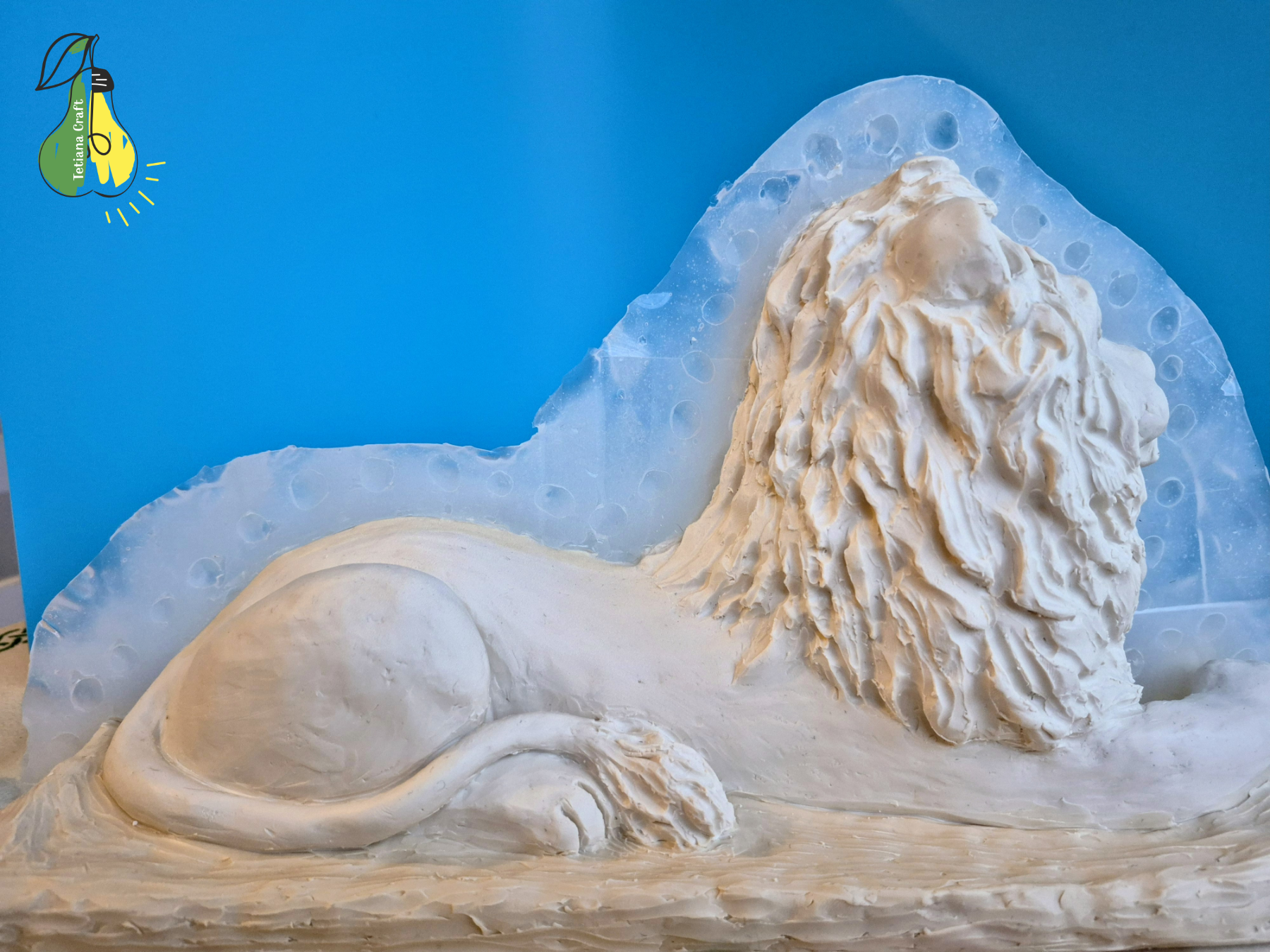
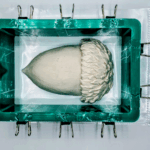
As you can see in the photo above, I used my existing small molds to create the first silicone halves. I labeled each sample, poured the liquid silicone into the forms, and waited until the first layer was fully cured. Following this, I thoroughly coated the cured surface of each half with one of the test release agents: vaseline, rapeseed oil, and detergent. You can see the final, completed results in the photo below.
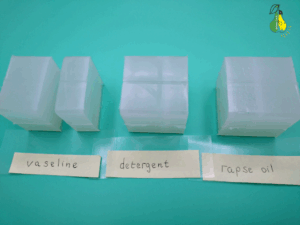
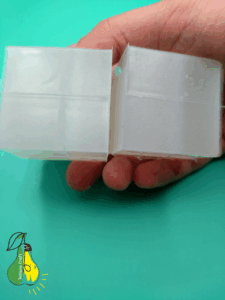
As you can see in the photo above, I was able to easily separate the mold halves that were coated with vaseline. The parts treated with rapeseed oil and detergent were permanently bonded and stuck together so firmly that I could not separate them even with significant effort.
Therefore, when I created the two-part silicone mold for the acorn twig a second time. I used vaseline as the release agent. This method worked successfully! Once the silicone mold was ready, I simply washed it in hot water with detergent. The residue of the vaseline was removed without any problems.
In conclusion, for those seeking a quick and affordable DIY mold release. Vaseline proved to be the clear winner in this test. Always remember to clean your mold thoroughly afterwards to ensure a smooth casting surface for your next project!